





A Ninth Circuit panel has ruled that California’s broad ban on openly carrying firearms in most populated counties violates the Second Amendment because it conflicts with historical traditions of firearm regulation. The decision removes a major barrier to open carry while leaving the state’s licensing system in smaller counties largely intact.
LISTEN TO THIS ARTICLE
SAN FRANCISCO, CA (3-minute read) — A federal appeals court has delivered a major setback to California’s strict gun laws, ruling that the state’s broad ban on open carry in most populated areas violates the Second Amendment. In a two to one decision, a panel of the United States Court of Appeals for the Ninth Circuit concluded that California’s limits on openly carried firearms cannot be squared with the historical tradition of firearm regulation that now guides modern Second Amendment analysis.
At the center of the case is a state law that blocks open carry in counties with populations above two hundred thousand residents. Because that threshold covers most of California, the court said the statute effectively wipes out open carry in the places where the majority of people live and work. The majority noted that at the time of the nation’s founding, open carry was not generally banned and was often treated as the default way for citizens to lawfully carry a firearm outside the home.
Concealed Carry Reciprocity Map | Interactive Map | 2026 CCW Reciprocity Map

Concealed Carry Reciprocity Map
Planning to carry across state lines? Start by checking how your destination treats the permits you hold. Concealed Nation’s concealed carry reciprocity map lets you explore…

Stand Your Ground States | Interactive Map | 2026
Stand Your Ground States: Interactive Map
Stand your ground laws address whether a person must retreat before using force in self-defense. The answer can depend on the location, the person’s…
Castle Doctrine States | Interactive Map | 2026 State-by-State Guide
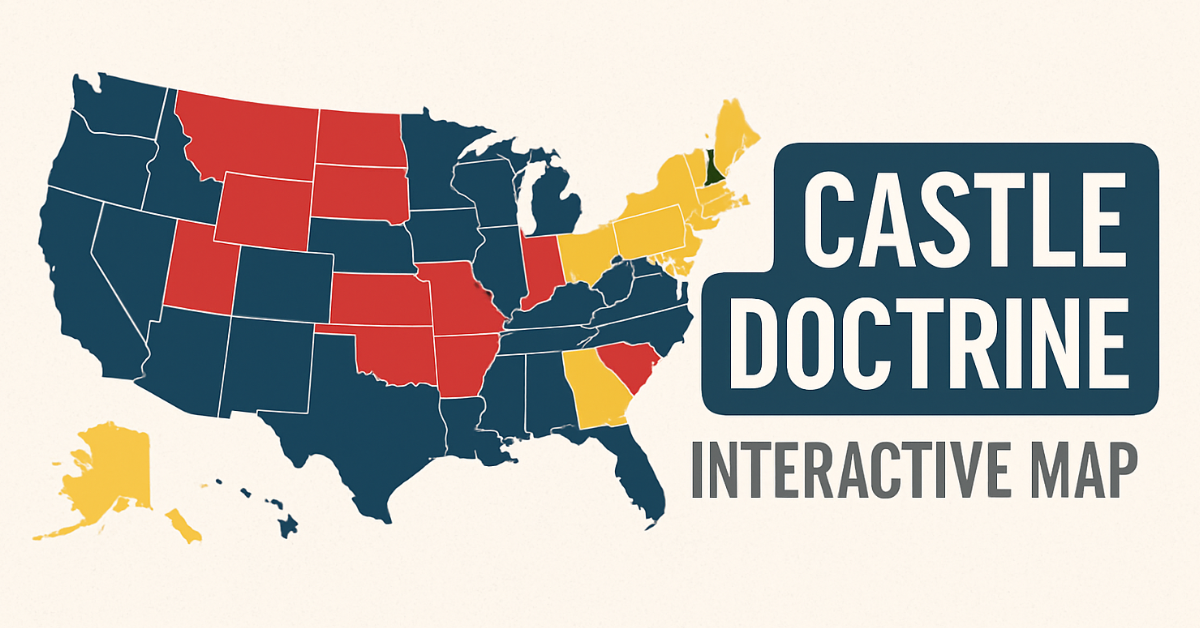
Castle Doctrine States: Interactive Home-Defense Map
Castle doctrine refers to legal protections associated with defending yourself in your home. Depending on the jurisdiction, those protections may address retreat, create a…
Judge Lawrence VanDyke, writing for the majority, described the issue as relatively simple under the Supreme Court’s current framework. He reasoned that if open carry sat at the core of the right to keep and bear arms in early American practice, then a sweeping modern ban cannot be described as a minor regulation. Judge Kenneth Lee, in a separate opinion, criticized the way California has communicated its rules in smaller counties where open carry is technically allowed but tightly controlled by licensing, suggesting that residents are left to sort out a confusing patchwork.
What This Ruling Means For California Gun Owners
For gun owners and concealed carriers, this decision does not create a free for all. The court left California’s open carry licensing systems in place for smaller counties and did not erase other regulations such as background checks, prohibited locations or training requirements. That means responsible carriers still need to understand where open carry is lawful, how local sheriffs handle permits and how this decision interacts with existing concealed carry rules.
From a self defense and training perspective, open carry also raises practical concerns. A plainly visible firearm can deter some threats, but it can also draw attention, invite confrontation or become a target for a criminal looking to snatch it. Anyone considering open carry should invest in secure retention holsters, practice strong situational awareness and know how to safely manage encounters with law enforcement who may be reacting to calls from concerned bystanders.
Safety Tip: Before carrying a firearm in public, always confirm the current laws in your state and county, seek reputable training on both concealed and open carry, and use secure holsters that protect the trigger and reduce the risk of unauthorized access.