




Last reviewed: October 22, 2026
Suppressors, also called silencers, are generally legal for eligible civilian owners in 42 states. Eight states and Washington, D.C., generally prohibit civilian ownership. Even where suppressors are allowed, the rules for registration, possession, and use can vary. It’s essential to understand the suppressor laws by state to ensure compliance.
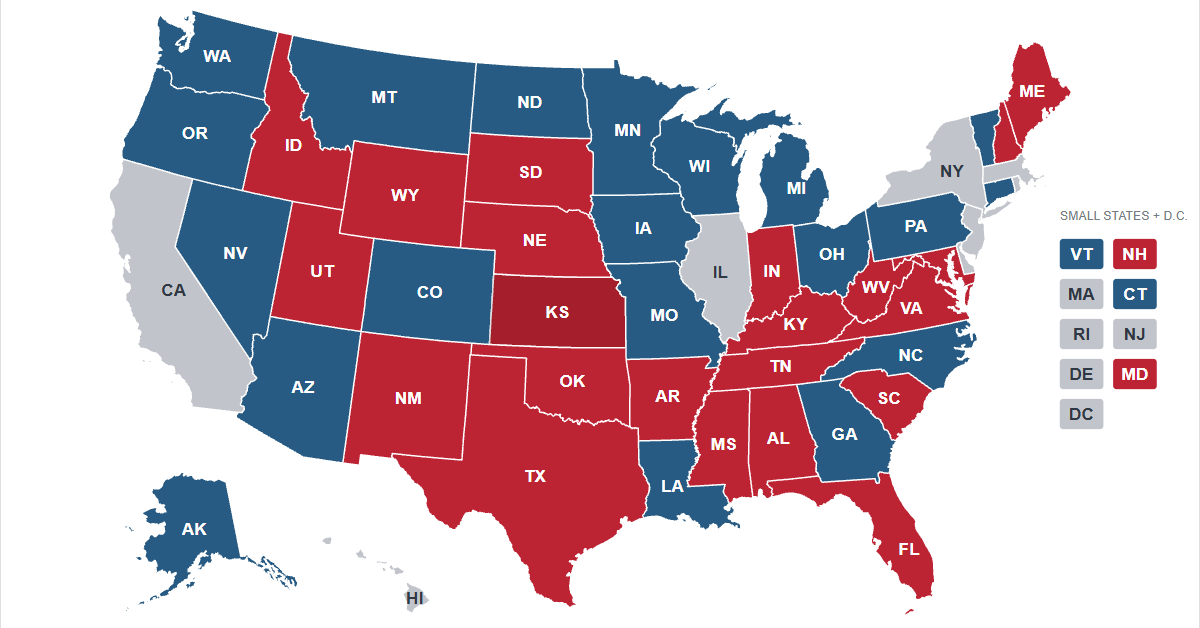
Use our interactive suppressor legality map to check your state. Click or tap a state to see its explanation below the map, including important restrictions and links to sources. You can also choose a state from the dropdown menu.
Suppressor Laws by State: Where Are Silencers Legal?
Click a state to see its suppressor rules, important conditions, and sources. The explanation appears below the map. Select any state above to see the answer and the law behind it. Suppressors are generally allowed for eligible civilian owners in Alabama. Alabama does not impose a separate statewide suppressor-registration requirement. This ownership category does not override federal transfer rules or restrictions on particular people and places. Suppressors can be lawfully owned, but Alaska’s federal-registration defense needs clarification after the federal policy change. On October 15, 2026, Alaska’s attorney general said state law still prohibits certain weapons and provides a defense tied to federal registration. The department called the effect of ATF’s new policy uncertain, requested legislative clarification, and directed police to consult prosecutors before charges. Voluntary ATF registration remains available. Do not treat federal nonenforcement as an unconditional state-law exemption. Interpretation matters. The effect of the federal policy on this state’s exception is not conclusively resolved by the sources reviewed. Suppressors are allowed through Arizona's federal-compliance exception. A.R.S. §13-3101 lists sound-muffling devices as prohibited weapons, then excludes devices possessed or transferred in compliance with federal law. That wording does not expressly demand NFA registration, but federal nonenforcement does not settle how Arizona applies its exception. Confirm the current state interpretation before relying on an unregistered transfer. Interpretation matters. The effect of the federal policy on this state’s exception is not conclusively resolved by the sources reviewed. Suppressors are generally allowed for eligible civilian owners in Arkansas. The current prohibited-weapons list in §5-73-104 does not list suppressors. Arkansas's provision should not be confused with older versions that expressly listed silencers. Applicable federal transfer rules still apply. Suppressors are generally prohibited for ordinary civilian possession. Penal Code §33410 makes possession a felony. Section 33415 provides narrow exceptions for specified government duties and qualifying licensed businesses; federal approval or registration alone does not create an ordinary civilian exception. Suppressor ownership is subject to Colorado’s dangerous-weapon law and its permit-and-license defense. Section 18-12-102 includes a firearm silencer among dangerous weapons. It provides an affirmative defense for someone with a valid permit and license to possess the weapon. The statute does not simply say that federal nonenforcement removes the state restriction. Confirm how the state-law defense applies before relying on an unregistered transfer. Interpretation matters. The effect of the federal policy on this state’s exception is not conclusively resolved by the sources reviewed. Suppressors are allowed for people licensed or otherwise permitted to possess them under federal or state law. Section 53a-211 generally prohibits silencer possession, with an exception for possession licensed or otherwise permitted by federal or state law. That wording is broader than an express registration requirement. ATF’s October policy does not settle how Connecticut applies this exception to an unregistered suppressor; confirm the state-law basis for possession. Interpretation matters. The effect of the federal policy on this state’s exception is not conclusively resolved by the sources reviewed. Suppressors are generally prohibited for ordinary civilian possession. Delaware lists a firearm silencer as a destructive weapon under 11 Del. C. §1444. The prohibition covers acquisition, transfer and possession. Exceptions concern specified military, police and authorized wildlife-control work; federal registration alone does not authorize ordinary civilian ownership. Suppressors are generally prohibited for ordinary civilian possession. D.C. Code §22-4514(a) expressly prohibits devices intended to silence or muffle firearm noise. ATF's change in federal enforcement does not remove the District's separate possession prohibition. Suppressors are generally allowed for eligible civilian owners. Florida includes silencers in its definition of a firearm. Its separate NFA-type possession restriction in §790.221 covers short-barreled rifles, short-barreled shotguns and machine guns, rather than silencers. General firearm eligibility and transfer rules still apply. Georgia’s civilian exception remains tied to NFA registration, with a limited attorney-general interpretation for people covered by the court injunction. Section 16-11-124(4) exempts possession based on NFA registration. In an October 2, 2026 letter, Attorney General Carr interpreted that exception to cover people protected by the Silencer Shop injunction, but expressly said his position does not bind district attorneys or Georgia courts. That letter predates ATF’s nationwide October 9 policy. Registration remains the clear statutory route; the federal policy alone does not resolve Georgia’s law. Suppressors are generally prohibited for ordinary civilian possession. HRS §134-8 expressly prohibits silencers and other devices that deaden or muffle a firearm's report. The restriction includes possession, acquisition and transfers. The new federal enforcement policy does not remove this state prohibition. Suppressors are generally allowed in Idaho, without a separate statewide suppressor-registration condition. Federal transfer and prohibited-person rules remain relevant. A state's protection of firearm rights does not itself create an exemption from federal law. Suppressors are generally prohibited for ordinary civilian possession. 720 ILCS 5/24-1(a)(6) prohibits possessing a device intended to silence a firearm's report. Limited statutory exceptions do not provide a general route for ordinary civilian owners. A federal registration or change in ATF enforcement does not override the state ban. Suppressors are generally allowed for eligible civilian owners. Indiana's weapons provisions do not establish a separate general suppressor-possession ban or state suppressor registry. Federal firearm eligibility and dealer-transfer requirements remain relevant. Hunting has additional rules and should be checked separately from ownership. Iowa allows suppressors, but state law conditions possession on federal legality. Iowa Code §724.1B makes knowingly possessing a suppressor in violation of federal law a state offense. It does not separately say every suppressor must be registered. Whether an unregistered item held under ATF's enforcement policy satisfies this state rule should be confirmed with Iowa authorities. Interpretation matters. The effect of the federal policy on this state’s exception is not conclusively resolved by the sources reviewed. Suppressors are generally allowed in Kansas; a 2026 law removed the state suppressor prohibition. Senate Substitute for HB 2501 removed suppressors from the prohibited-weapons rule, effective July 1, 2026. Older summaries describing a Kansas NFA-compliance exception may describe the law before this amendment. Federal transfer requirements remain separate. Suppressors are generally allowed for eligible civilian owners. Kentucky does not impose a general silencer-possession ban or separate suppressor registration requirement in its weapons statutes. Ownership and hunting are different questions: the wildlife agency's guidance still refers to federal authorization for suppressor hunting, so check that guidance before hunting. Louisiana allows suppressors subject to its federal registration-or-transfer condition. Louisiana includes silencers in the firearms covered by R.S. 40:1781. R.S. 40:1785 prohibits possessing or dealing in a covered firearm that was not registered or transferred in accordance with applicable federal law. This is a state-law condition even after ATF's federal enforcement change. Confirm how it applies to an unregistered purchase. Interpretation matters. The effect of the federal policy on this state’s exception is not conclusively resolved by the sources reviewed. Suppressors are generally allowed for eligible civilian owners. Maine's NFA-related certification statute directs officials to process qualifying applications; it does not create a general independent registration condition for suppressor possession. The former silencer hunting restriction was repealed. General firearm and transfer restrictions still apply. Suppressors are generally allowed for eligible civilian owners. Maryland does not have a general civilian suppressor-possession ban or independent suppressor-registration requirement. Its express silencer provision in Criminal Law §5-621 concerns enhanced penalties in specified drug-trafficking cases. Rules for the firearm itself and ordinary federal transfer requirements remain separate. Suppressors are generally prohibited for ordinary civilian possession. General Laws chapter 269, §10A prohibits possession, use and distribution of firearm sound-suppression devices. Exceptions cover specified licensed manufacturers and authorized law-enforcement or training activities. Federal paperwork does not create an ordinary civilian exemption. Michigan permits suppressors through its federal-authorization exception; the new nonenforcement policy does not clearly replace that exception. MCL 750.224 generally prohibits silencers, with a federal licensing exception. Attorney General Opinion 7260 interprets it to permit people licensed or approved by ATF to possess the device. That opinion predates the October 2026 policy. The reviewed authorities do not establish that an ordinary dealer background check alone satisfies Michigan’s exception. Interpretation matters. The effect of the federal policy on this state’s exception is not conclusively resolved by the sources reviewed. Minnesota permits suppressors only when possession is lawful under federal law. Minnesota Statutes §609.66, subdivision 1a, makes selling or possessing a suppressor unlawful when it is not lawfully possessed under federal law. The statute uses a federal-law condition rather than an express registration command. ATF's nonenforcement policy alone does not establish how Minnesota will interpret that condition. Interpretation matters. The effect of the federal policy on this state’s exception is not conclusively resolved by the sources reviewed. Suppressors are generally allowed; Mississippi’s attorney general says Form 4 registration is voluntary under the current federal policy. State law ties possession to federal authorization. In her October 12, 2026 statement, Attorney General Lynn Fitch concluded that Form 4 is voluntary for Mississippians under ATF’s new guidance. She warned that federal policy can change and sought legislative clarification. This ownership summary does not remove Mississippi’s separate restrictions on concealed carry of a silencer. Suppressors are allowed in Missouri when the conduct complies with federal law. RSMo §571.020 makes possession, transportation, and certain dealings in a firearm silencer a state offense when they violate federal law. It does not expressly impose a separate registration requirement. Because the federal statute and ATF enforcement policy are different things, confirm the state treatment of an unregistered transfer. Interpretation matters. The effect of the federal policy on this state’s exception is not conclusively resolved by the sources reviewed. Montana retains state-law consequences for an unregistered suppressor despite the federal policy change. Section 45-8-336 prohibits suppressor possession and transactions with a criminal purpose. Section 45-8-337 makes lack of federal registration evidence of an unlawful purpose. In August 2026, Montana’s attorney general warned that unregistered possession remained punishable under state law. This is a state evidentiary rule and enforcement position, not simply a separate state Form 4 application requirement. Suppressors are generally allowed in Nebraska; no separate statewide suppressor-registration condition was identified. Nebraska's restrictions on other weapons should not be assumed to apply to silencers. Federal eligibility and transfer requirements remain relevant. Nevada allows suppressors when their possession or use is authorized under federal law. NRS 202.350 prohibits silencers unless federally authorized, and places the burden of establishing federal license, authorization, or permission on the possessor. The text does not expressly demand NFRTR registration in every case. How federal nonenforcement satisfies this state exception remains a separate legal question; the map does not treat it as automatic permission for an unregistered device. Interpretation matters. The effect of the federal policy on this state’s exception is not conclusively resolved by the sources reviewed. Suppressors are generally allowed for eligible civilian owners. New Hampshire does not impose a separate general suppressor-possession ban or state suppressor registry. Its firearm eligibility restrictions still apply. The lack of a separate state NFA requirement does not remove ordinary federal dealer-transfer rules or restrictions on prohibited persons. Suppressors are generally prohibited for ordinary civilian possession. N.J.S.A. 2C:39-3(c) makes knowing possession of a firearm silencer a crime. Narrow statutory exceptions do not allow ordinary recreational ownership. Neither federal registration nor ATF's nonenforcement guidance overrides New Jersey's prohibition. Suppressors are generally allowed in New Mexico, without a separate statewide suppressor-registration condition. The federal transfer framework still applies. This classification concerns suppressor ownership and is not a determination of every rule that may apply to a particular transaction or location. Suppressors are generally prohibited for ordinary civilian possession. Penal Law §265.02(2) treats possession of a firearm silencer as criminal possession of a weapon in the third degree. Ordinary civilian ownership remains prohibited despite the federal enforcement change. Specialized statutory exemptions should not be treated as a general ownership permission. North Carolina allows suppressor possession through an exception requiring lawful possession in compliance with the NFA. G.S. 14-288.8 includes silencers in its restricted-weapons category, then exempts people who lawfully possess them in compliance with the National Firearms Act. Federal nonenforcement does not rewrite that state exception. The reviewed statute does not resolve whether an unregistered suppressor under the October 2026 federal policy meets North Carolina’s compliance requirement. Interpretation matters. The effect of the federal policy on this state’s exception is not conclusively resolved by the sources reviewed. North Dakota conditions suppressor purchases, sales, and possession on compliance with the National Firearms Act. Section 62.1-05-01 expressly links these activities to NFA compliance. The federal October 2026 policy is an enforcement decision; it did not amend this North Dakota statute. The reviewed state text does not establish that an unregistered transfer satisfies its compliance condition. Confirm the applicable state interpretation before relying on the federal change. Interpretation matters. The effect of the federal policy on this state’s exception is not conclusively resolved by the sources reviewed. Ohio allows suppressors through exceptions to its dangerous-ordnance restriction, including federal registration. Ohio classifies suppressors as dangerous ordnance. Section 2923.17(C)(5) exempts owners whose ordnance is registered in the federal registry. Other narrow statutory exceptions also exist. ATF’s decision to stop enforcing federal registration does not remove Ohio’s registration-based exception or its general prohibition. Suppressors are generally allowed for eligible civilian owners in Oklahoma. Oklahoma's general criminal code does not impose a suppressor-specific possession ban. Hunting is a separate question: Title 29 contains a federal-registration condition for suppressor use while hunting. The ownership category should not be read as permission for every use. Oregon’s suppressor law retains a federal-registration defense and a protection for owners carrying registration documentation. ORS 166.272 generally prohibits silencer possession, but makes registration as required under federal law an affirmative defense. It also bars arrest or charges under that section when the person has immediate documentation of that registration. Do not assume ATF’s nonenforcement policy eliminates these state-law conditions. Pennsylvania permits lawful suppressor ownership, but its offensive-weapons law includes an NFA-compliance defense that needs separate attention. Section 908 addresses firearms adapted for silent discharge and provides a defense based on compliance with the National Firearms Act, along with other exceptions. The statutory language is not a simple statewide Form 4 mandate for every device. Federal nonenforcement alone does not conclusively settle how Pennsylvania applies that defense to an unregistered suppressor. Interpretation matters. The effect of the federal policy on this state’s exception is not conclusively resolved by the sources reviewed. Suppressors are generally prohibited for ordinary civilian possession. R.I. Gen. Laws §11-47-20 prohibits buying, possessing, selling or manufacturing firearm silencers and mufflers. Its exception is limited to designated law-enforcement tactical-team duties. Federal approval does not make ordinary civilian possession lawful. Suppressors are generally allowed for eligible civilian owners. South Carolina's special weapon-possession restrictions name machine guns, military firearms and sawed-off firearms, but do not include silencers. There is no separate general state suppressor registration requirement in those provisions. Ordinary firearm eligibility and federal dealer-transfer requirements remain applicable. Suppressors are generally allowed in South Dakota, which removed them from its controlled-weapons definition in 2026. SB 2 eliminated the suppressor-specific state controlled-weapon restriction. Federal purchase eligibility and transfer rules still apply; the state change does not make suppressors unregulated in every respect. Suppressors are generally allowed for eligible civilian owners. Tennessee's Hearing Protection Act removed firearm silencers from its prohibited-weapons list in 2017. Ordinary civilian ownership therefore does not depend on a separate state silencer-registration exception. General firearm eligibility, transfer and use restrictions still apply. Suppressors are generally allowed in Texas; the state removed its silencer-specific possession prohibition in 2021. HB 957 deleted silencers from Penal Code §46.05's prohibited-weapons list. Texas's intrastate-suppressor provisions should not be treated as a blanket exemption from federal law. Current federal eligibility and transfer requirements remain separate. Suppressors are generally allowed in Utah without a separate statewide suppressor-registration condition. Utah's firearms code recognizes sound suppressors as firearm accessories. That classification does not replace federal transfer rules or establish permission in every location. Suppressor ownership is generally allowed, but Vermont limits use and other activities. 13 V.S.A. §4010 does not generally ban possession. It limits civilian use to lawful sport-shooting-range use or authorized hunting, alongside narrow exceptions, and separately regulates making and importing. The map flags Vermont because of those general-use limits; ownership permission does not authorize every use. Suppressors are generally allowed for eligible civilian owners. Virginia does not impose a general suppressor-possession ban or separate suppressor registry. Its laws do restrict silencers in specific places, including courthouses. Ownership permission does not remove location restrictions, rules for the host firearm, or ordinary federal dealer-transfer requirements. Washington’s specific suppressor restriction concerns use: the device must be legally registered and possessed under federal law. RCW 9.41.250(1)(c) makes using a noise-suppressing device unlawful unless the suppressor meets its federal registration and possession conditions. This provision regulates use, rather than imposing a general ownership ban. ATF’s new policy does not erase Washington’s express registration condition for lawful use. Suppressors are generally allowed for eligible civilian owners. West Virginia's NFA-related certification provision applies when federal law requires an official certification; it is not a separate blanket state registration requirement for suppressor ownership. Eligibility restrictions and ordinary federal dealer-transfer rules still apply. Check current ATF guidance before relying on the changed federal process. Wisconsin’s civilian exception to its silencer prohibition is tied to federal licensing and registration compliance. Section 941.298 generally prohibits selling, delivering, or possessing a firearm silencer. Its ordinary civilian exception covers a person who has complied with the NFA’s licensing and registration requirements. ATF’s nationwide enforcement policy does not itself amend this state exception; federal registration remains an important part of Wisconsin’s statutory framework. Suppressors are generally allowed for eligible civilian owners in Wyoming. Wyoming's criminal code contains no suppressor-specific registration condition. General weapons offenses and federal eligibility rules still apply. Ownership does not authorize unlawful use or possession in restricted places. ATF’s October 9, 2026 policy stops enforcement of specified NFA requirements for suppressors. It is an enforcement policy, not a repeal of every federal firearm law or a change to state law. ATF continues accepting voluntary NFA registrations. Federal dealer transfers still involve Form 4473, applicable background-check requirements, and buyer eligibility rules. ATF expressly declines to decide whether an unregistered suppressor satisfies an individual state’s federal-law or registration exception. Read the full ATF FAQ ↗. These colors are editorial classifications for ordinary civilian ownership, highlighting suppressor-specific restrictions. Red means generally allowed under the current framework. Blue flags state federal-law/registration conditions, unresolved interpretations of those conditions, or broad restrictions on suppressor use. Gray means ordinary civilian possession is generally prohibited; narrow exemptions may exist. Washington’s blue status concerns use rather than bare possession; Vermont’s concerns its general-use limits. Hunting-only and location-specific rules may also apply in red states. The state explanations distinguish these issues. This is not a hunting-permission, travel, or concealed-carry map. Source review uses statutes, agency guidance, and supporting references linked under each state. Some official publications predate the federal change or are reproduced by legal reference publishers; older federal-process instructions are not treated as current. Laws and enforcement interpretations can change. This is a dated editorial snapshot, not a live legal-status feed. General information, not legal advice. Eligibility, local and tribal laws, hunting rules, transport rules, and the law governing the firearm itself may impose additional limits. Confirm current requirements with the relevant authorities or a qualified attorney before a purchase or transfer.
STATE LAW GUIDEWhere are silencers legal?
ownership, with conditions
All 50 states + Washington, D.C.Start with your state.
Alabama
Generally allowedWhat this means
Alaska
State-law conditionsWhat this means
Arizona
State-law conditionsWhat this means
Arkansas
Generally allowedWhat this means
California
Generally prohibitedWhat this means
Colorado
State-law conditionsWhat this means
Connecticut
State-law conditionsWhat this means
Delaware
Generally prohibitedWhat this means
District of Columbia
Generally prohibitedWhat this means
Florida
Generally allowedWhat this means
Georgia
State-law conditionsWhat this means
Hawaii
Generally prohibitedWhat this means
Idaho
Generally allowedWhat this means
Illinois
Generally prohibitedWhat this means
Indiana
Generally allowedWhat this means
Iowa
State-law conditionsWhat this means
Kansas
Generally allowedWhat this means
Kentucky
Generally allowedWhat this means
Louisiana
State-law conditionsWhat this means
Maine
Generally allowedWhat this means
Maryland
Generally allowedWhat this means
Massachusetts
Generally prohibitedWhat this means
Michigan
State-law conditionsWhat this means
Minnesota
State-law conditionsWhat this means
Mississippi
Generally allowedWhat this means
Missouri
State-law conditionsWhat this means
Montana
State-law conditionsWhat this means
Nebraska
Generally allowedWhat this means
Nevada
State-law conditionsWhat this means
New Hampshire
Generally allowedWhat this means
New Jersey
Generally prohibitedWhat this means
New Mexico
Generally allowedWhat this means
New York
Generally prohibitedWhat this means
North Carolina
State-law conditionsWhat this means
North Dakota
State-law conditionsWhat this means
Ohio
State-law conditionsWhat this means
Oklahoma
Generally allowedWhat this means
Oregon
State-law conditionsWhat this means
Pennsylvania
State-law conditionsWhat this means
Rhode Island
Generally prohibitedWhat this means
South Carolina
Generally allowedWhat this means
South Dakota
Generally allowedWhat this means
Tennessee
Generally allowedWhat this means
Texas
Generally allowedWhat this means
Utah
Generally allowedWhat this means
Vermont
State-law conditionsWhat this means
Virginia
Generally allowedWhat this means
Washington
State-law conditionsWhat this means
West Virginia
Generally allowedWhat this means
Wisconsin
State-law conditionsWhat this means
Wyoming
Generally allowedWhat this means
Browse all 50 states + Washington, D.C.
What changed federally—and what still applies?
How to read this map
How to Read the Suppressor Legality Map
- Red — Generally allowed: Eligible civilians can generally own suppressors, subject to applicable federal and state rules.
- Blue — State-law conditions: Registration requirements, federal-compliance provisions, use restrictions, or unresolved state-law questions need closer attention. Read the state’s explanation for details.
- Gray — Generally prohibited: State or district law generally prohibits ordinary civilian ownership. Narrow exceptions may apply.
The colors summarize different legal conditions. A state marked “generally allowed” still has rules that apply to the buyer, the transfer, and the use of the suppressor.
Federal Policy and State Suppressor Laws
Effective October 9, 2026, ATF adopted a nationwide policy of not enforcing certain National Firearms Act requirements for suppressors, including making and transfer approvals and registration. Voluntary NFA registration remains available. Dealer transfers still require ATF Form 4473 and any applicable background check under the Gun Control Act.
This federal enforcement policy does not repeal state suppressor laws. Some states have registration requirements or exceptions tied to federal compliance. ATF says it cannot determine whether an unregistered suppressor held under its policy satisfies those state-law conditions. The enforcement policy itself can also change.
Read ATF’s current NFA transfer guidance alongside the sources linked in your state’s map entry.
Which States Prohibit Civilian Suppressor Ownership?
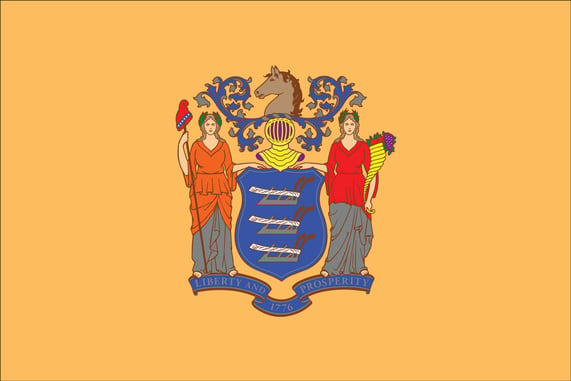
Civilian suppressor ownership is generally prohibited in California, Delaware, Hawaii, Illinois, Massachusetts, New Jersey, New York, and Rhode Island, as well as Washington, D.C.
These jurisdictions may have limited exceptions for specified people or activities. Select a state or D.C. on the map to see its explanation and source links.
Suppressor Law FAQs
Are silencers and suppressors the same thing?
Yes. Both terms refer to devices designed to reduce the sound of gunfire. This guide uses “suppressor” and “silencer” interchangeably.
Does a blue state mean suppressors are banned?
No. Blue identifies a state-law condition that needs a closer look. Depending on the state, that condition may concern registration, compliance with federal law, or how a suppressor can be used. The explanation below the map identifies the relevant issue.
Can I hunt with a suppressor if I can legally own one?
Legal ownership does not settle every hunting question. Wildlife regulations and restrictions on suppressor use may also apply. Check your state’s map entry and the current rules from its wildlife agency before using a suppressor while hunting.
About This Guide
Each state entry includes sources and a review date. The map summarizes ordinary civilian ownership and highlights important state-law conditions; it does not cover every exception or local restriction. Laws, court decisions, and agency guidance can change after the date shown.
For more state-by-state firearm information, explore Concealed Nation’s concealed carry maps and resources.
This page provides general information, not legal advice. Verify the current requirements that apply to your situation before purchasing, possessing, transporting, or using a suppressor.